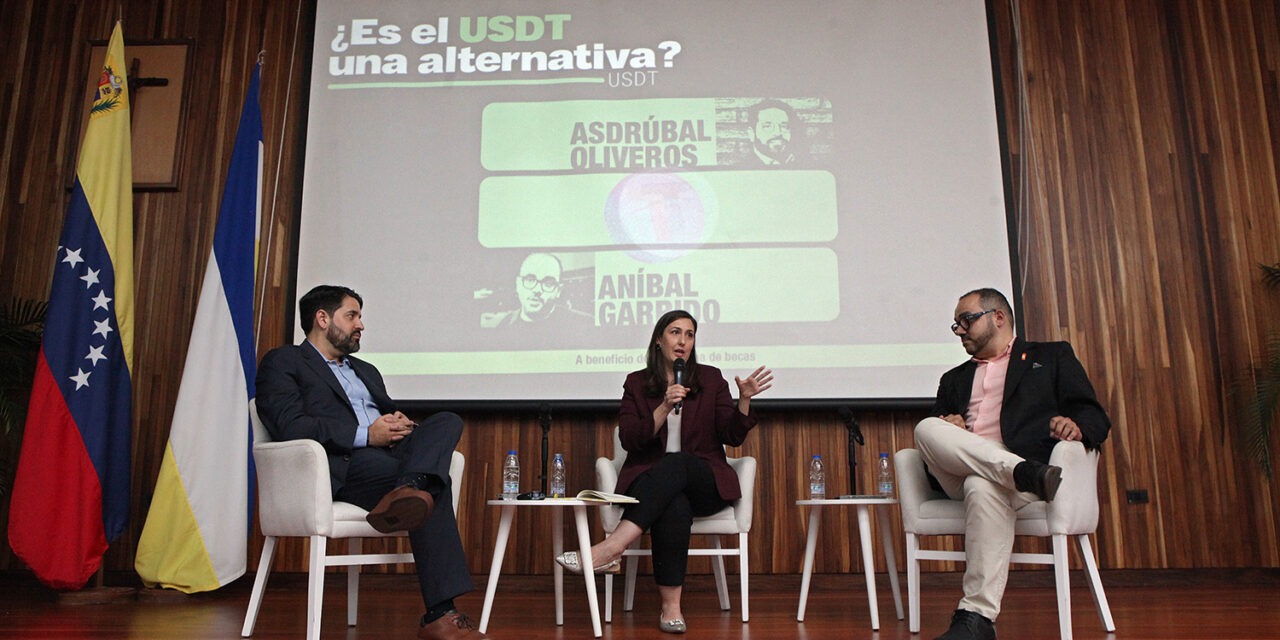
In Venezuela’s peer-to-peer crypto market, the USDT (Tether) exchange rate has risen by 16% in just one month. The stablecoin’s price briefly rose above 800 bolivars before stabilizing around 794 bolivars. The surge is a clear indication that locals are increasingly seeking refuge in the digital dollar as the bolivar continues to weaken, while traditional financial channels are increasingly unable to meet demand for the currency.
What is driving the demand for USDT?
The main driver behind this phenomenon is the rapid expansion of the bolívar money supply. The Venezuelan central bank and the state budget are funding the economy with more local currency, while access to foreign currencies remains limited for the population.
In this environment, demand for dollar-pegged digital assets, such as USDT, naturally increases. When a country simultaneously increases its money supply and makes it more difficult to access foreign currency, citizens often look for alternative ways to preserve the value of their savings. In Venezuela, more and more people are finding this opportunity in stablecoins.
The process is reminiscent of phenomena seen in Argentina or Lebanon in many ways, but it is happening particularly quickly in Venezuela. While financial institutions in developed countries are still debating the regulation of the crypto sector, residents of countries struggling with economic difficulties are already using stablecoins in their daily financial transactions.
Why is USDT more popular than Bitcoin?
Venezuela is not new to the use of cryptocurrencies. Although the state-created Petro failed, Bitcoin was already gaining traction among the population during the previous hyperinflationary period.
However, USDT has one significant advantage: its exchange rate is pegged to the dollar. In a country where many products and services are informally priced in dollars, using a digital dollar is a much simpler and more predictable solution than a highly volatile cryptocurrency.
This is combined with the significant liquidity of Binance’s P2P market, which allows for quick and easy purchases. Thanks to this, the platform has become one of the country’s most important financial channels, even if its operation falls into a regulatory gray zone.
How long can the stablecoin premium last?
Venezuelan authorities have repeatedly tried to restrict dollar-based financial activities, such as the operation of unofficial foreign exchange markets. For this reason, the long-term position of Binance P2P and other similar platforms remains uncertain.
There is currently no immediate sign of further tightening, but market participants are aware of the risks. A possible regulatory intervention or restriction of crypto access points could significantly affect the current balance.
However, the current premium may also act as a self-regulating mechanism. If the price of USDT becomes too far removed from the black market dollar rate, it may encourage those who have access to physical dollars to convert it into stablecoins and sell it on P2P markets. This could eventually reduce the premium and restore balance.
How long this can last largely depends on the development of the purchasing power of the bolivar and the next steps of Venezuelan economic policy.
Related posts:
 What is a digital credit, and why is it set to take off in 2026?
 XStocks has arrived in Bitget Wallet
 The SEC would pave the way for tokenized stocks
 The United States has already seized nearly $1 billion in Iranian crypto assets
 A strange piece of data is making the crypto market optimistic again
 Bitcoin is above $80,000, but the price is not the most interesting thing right now