A recent large-scale supply chain attack targeting hardware wallets has highlighted the crypto industry’s existential risk surface with regard to its gold standard for self-custody. In October 2026, Ledger revealed that unauthorized cellular implants – eSIMs – were discovered in devices sold by a specific Southeast Asian reseller. The illicit spy chips captured the users’ 24-word recovery phrases directly from the device screen and relaid them over mobile networks, resulting in an estimated $93 million in losses across hundreds of wallets.
This incident highlighted the fundamental flaw in proprietary hardware being the physical supply chain a massive attack surface. When hardware logistics and firmware are controlled by a centralized entity, users are blind to the possibility that any malicious actor could have tampered with or intercepted the device before it reaches their mailbox.
Since such wallets use proprietary firmwares, it is impossible to verify whether they are clean of any malware. Essentially, users are required to trust the companies developing the products when using them.
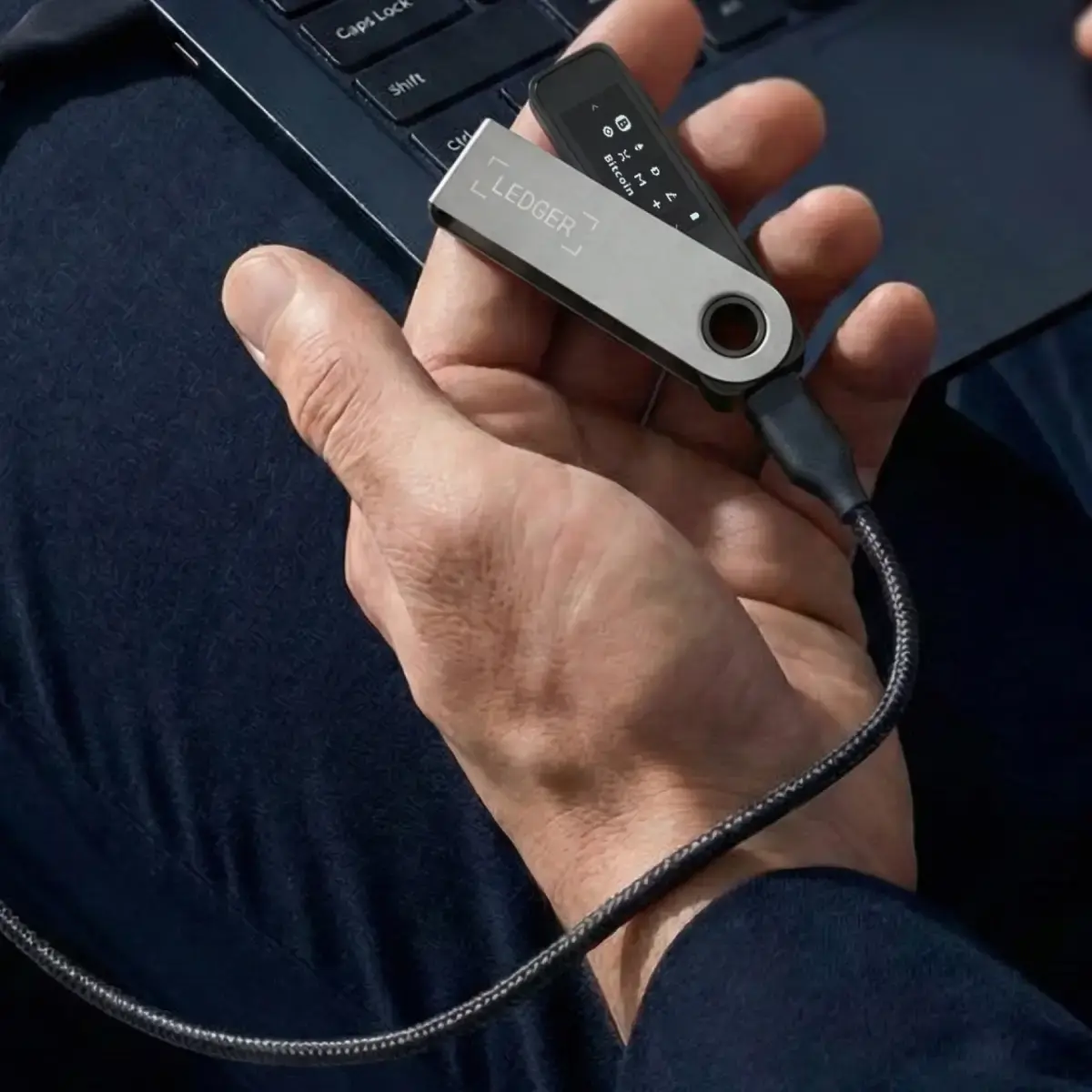
It can be argued that, in many cases, a hardened open-source operating system with a software wallet is a better option than a proprietary hardware wallet.
The latter is a case of moving from one central point of trust (a crypto exchange) to another (the hardware wallet producer). Open-source software wallets running on Linux are significantly more secure than their proprietary counterparts.
Three reasons are obvious for this preference: the removal of a physical attack vector (a software wallet does not need to be transported, eliminating the possibility of intercepting it during transit), verifiability (the ability to inspect the software code for possible malicious modifications), and the reduced attack surface (a software wallet cannot be hacked from an outside source).